
Quick answer: In a typical morning routine, use a lightweight water-based serum first, moisturizer next, and broad-spectrum sunscreen last. Product directions and your skin’s comfort matter more than rigid rules.
Layering skincare should make your morning easier, not turn it into a ten-step project. This practical guide explains what each layer does, when to wait, and how to avoid common mistakes.
1. Start with clean, comfortable skin
A simple routine begins with a gentle cleanse and skin that feels comfortable, not tight. Pat dry rather than rubbing. If your skin tolerates applying moisturizer to slightly damp skin, that can help reduce the feeling of dryness. Follow the directions on each product rather than assuming every serum belongs on wet skin.
2. Apply a lightweight serum before a heavier cream
For a typical water-based hydrating serum, apply a small amount after cleansing and before moisturizer. Spread gently and give it a moment to settle. A serum is optional: a well-chosen moisturizer and sunscreen can be a complete morning routine. Oil-based serums and specialized treatments may have different instructions, so check the label.
3. Use moisturizer to support comfort
Smooth a suitable moisturizer over your face and neck after your serum. A lightweight lotion may feel better on oily skin, while a richer cream may suit dry skin. More product is not always better. If layering causes pilling, try smaller amounts or fewer products, and allow the preceding layer to settle.
4. Make sunscreen the final morning skincare layer
Apply broad-spectrum SPF 30 or higher sunscreen after your moisturizer and before makeup, following the product’s directions. Use a generous amount to cover exposed skin, including the ears and neck, and do not mix sunscreen into moisturizer or serum because that can compromise even coverage. Reapply at least every two hours when outdoors, and after swimming or sweating, according to the label.
5. Adjust the routine for your skin and product formulas
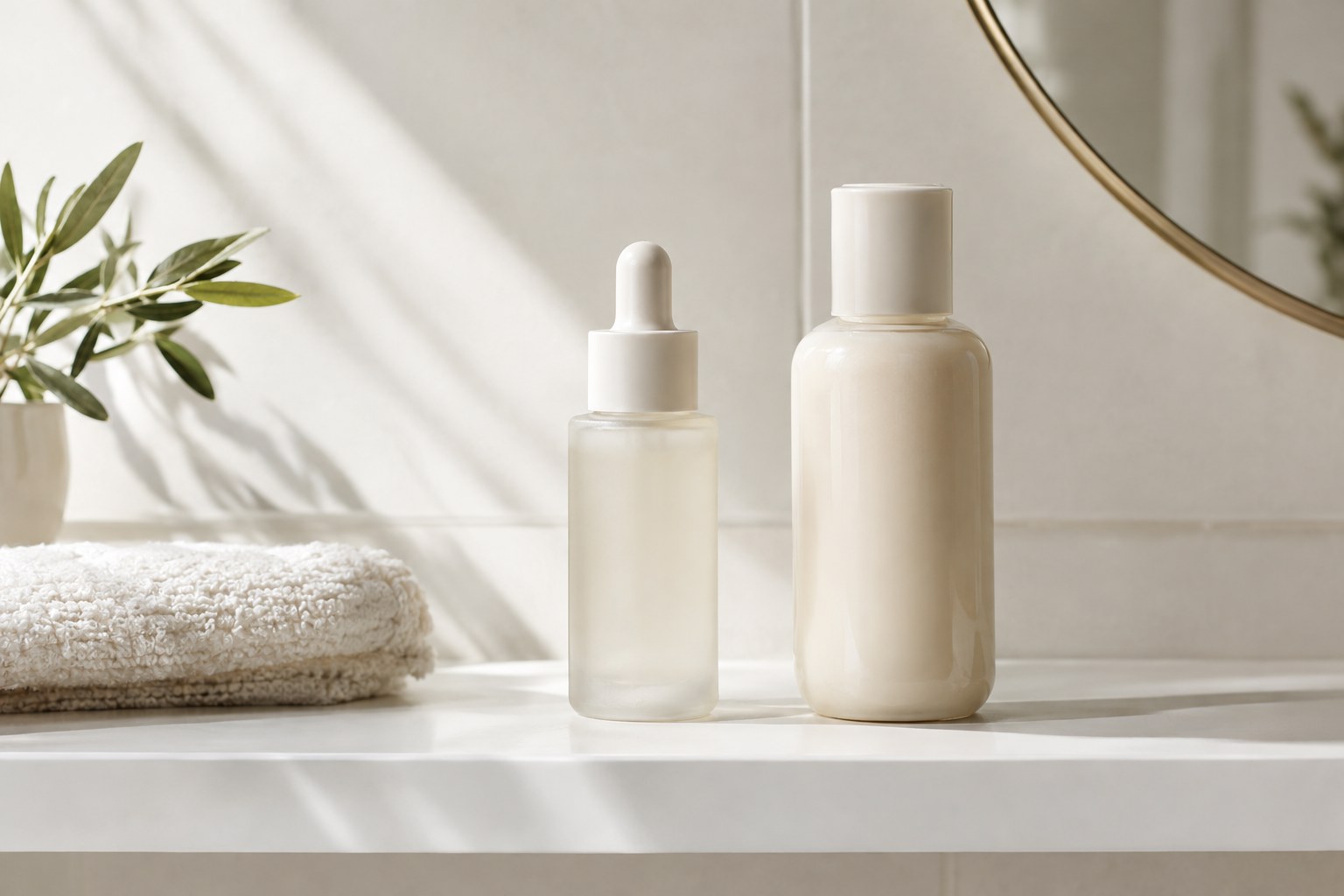
If your moisturizer already contains adequate broad-spectrum SPF, it may serve both roles when applied in the amount required for sun protection; many people find a separate sunscreen easier to apply generously. If a formula pills or stings, simplify the routine and try one change at a time. For sensitive skin, patch-test unfamiliar products and seek professional advice for persistent irritation.
6. Keep your evening routine simpler
At night, remove sunscreen and makeup with a suitable cleanser, then apply any tolerated serum or treatment and finish with moisturizer. You do not need sunscreen before bed. Some active ingredients have specific timing, compatibility and sun-sensitivity considerations; follow their directions or ask a qualified clinician, especially when using prescription treatments.
A simple morning order to remember
Cleanser → optional hydrating serum → moisturizer → broad-spectrum SPF 30+ sunscreen → makeup, if worn. The evening version omits sunscreen. If your product label gives a different order, follow its instructions.
Common questions
Can I skip serum?
Yes. Serum is optional. Consistent cleansing, moisturizing as needed and daily sun protection are a practical foundation.
How long should I wait between layers?
There is no universal waiting time. Let each layer settle enough to apply the next without rubbing it off or causing pilling.
Does sunscreen go before moisturizer?
For most separate moisturizer-and-sunscreen routines, apply sunscreen after moisturizer and before makeup. Follow the sunscreen label for application and reapplication.
Final takeaway
Start with fewer products, pay attention to comfort, and make sunscreen the last skincare step in the morning. Add optional serums only when they serve a clear purpose.
Explore our beginner skincare routine guide for a minimalist product approach, or read our winter skincare routine for dry skin for seasonal adjustments.

