
Skincare ingredient lists can look like a foreign language, but you do not need to memorize every chemical name to shop thoughtfully. A few simple reading habits can help you understand what a formula is designed to do, spot ingredients your skin may not tolerate, and avoid buying products based only on marketing claims.
Start with the ingredient list, not the front label
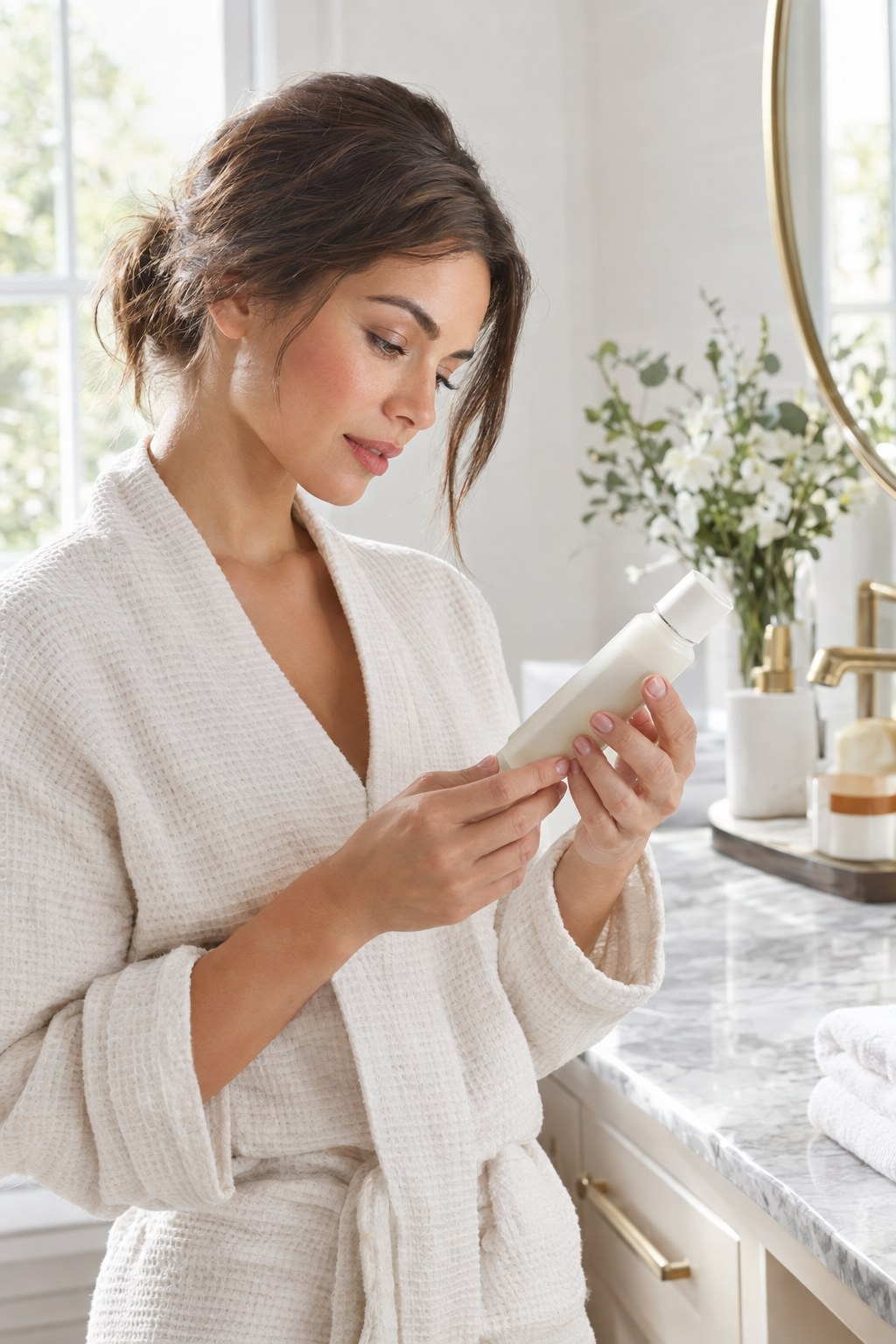
Words such as “clean,” “natural,” “gentle,” and “dermatologist-tested” do not tell you everything about how a product will feel on your skin. Look for the ingredient list, often labeled INCI, on the package or the brand’s website. Ingredients are generally listed in descending order of predominance, with special ordering rules for ingredients present at 1% or less. This means the list gives useful context, but it cannot reveal the precise percentage of every ingredient.
Understand five common ingredient groups
1. Humectants: help attract water
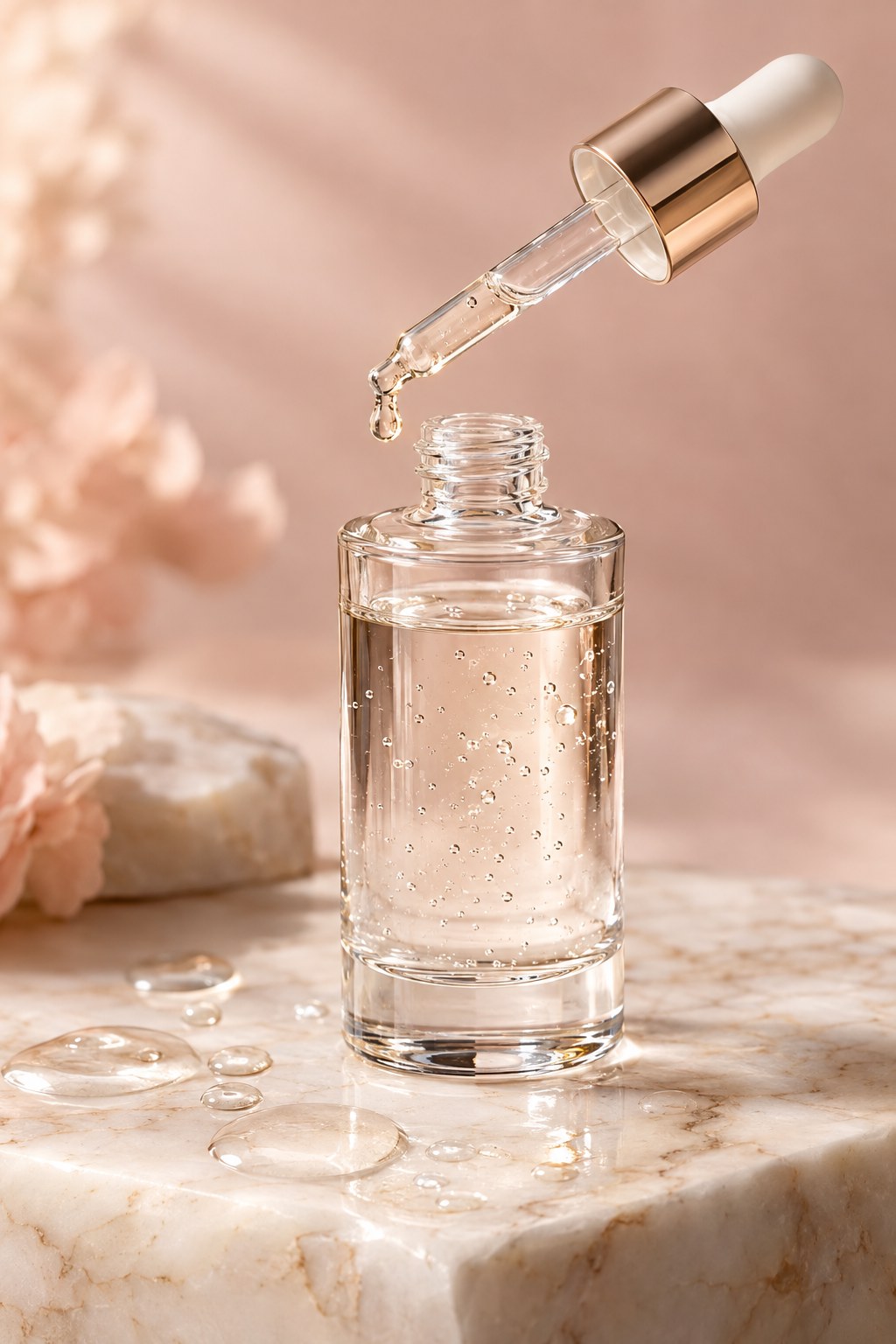
Glycerin, hyaluronic acid, and panthenol are common examples. They are often included in hydrating serums, cleansers, and moisturizers. Their presence does not guarantee that the whole product will suit everyone.
2. Emollients: help skin feel smoother
Ingredients such as squalane and certain plant-derived oils can soften the feel of dry skin. Texture and comfort depend on the complete formulation.
3. Occlusives: help reduce moisture loss
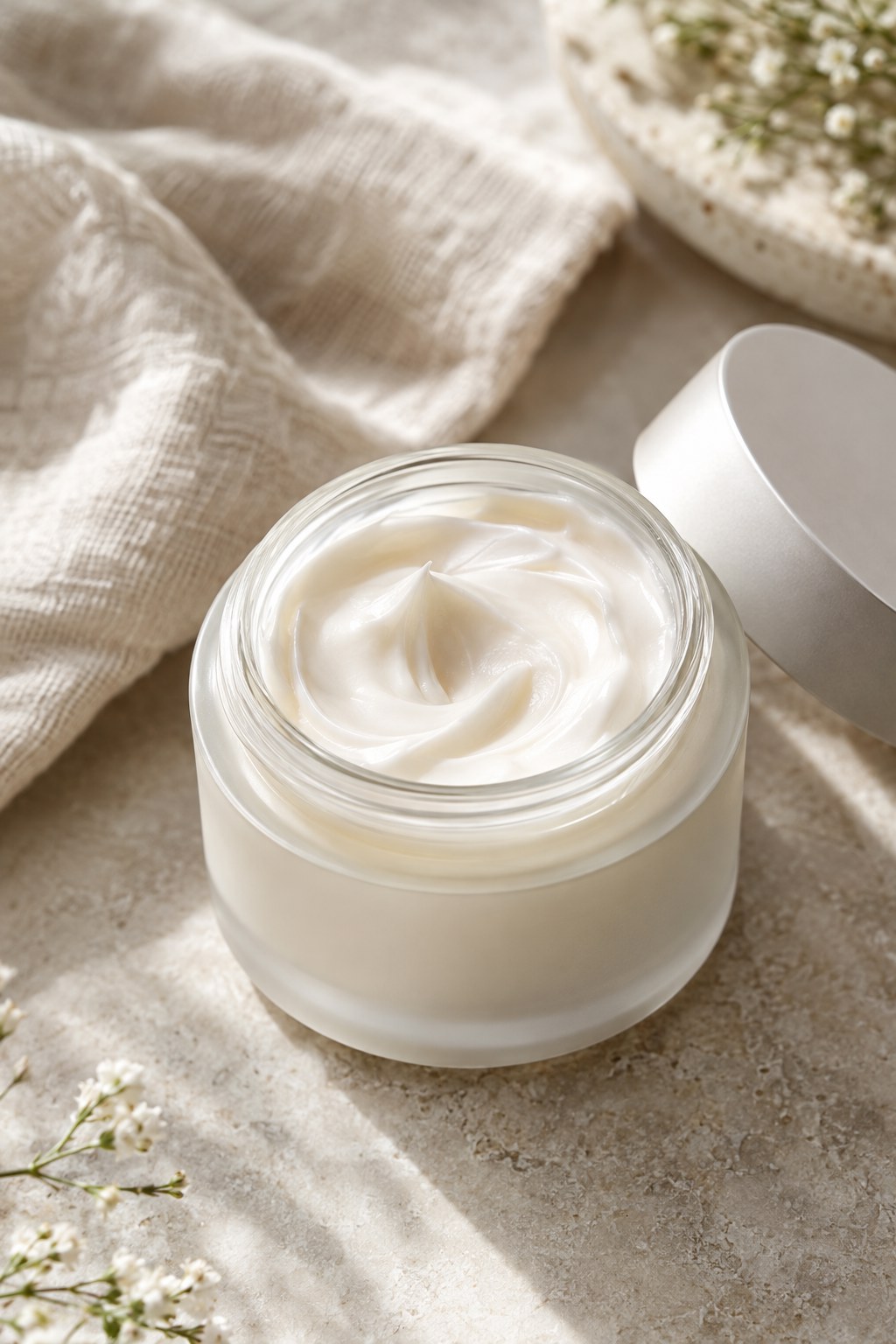
Petrolatum, mineral oil, and dimethicone can form a protective layer that limits water loss. Richer formulas can be especially appealing for dry areas, although personal preferences vary.
4. Cleansing agents: lift oil and dirt
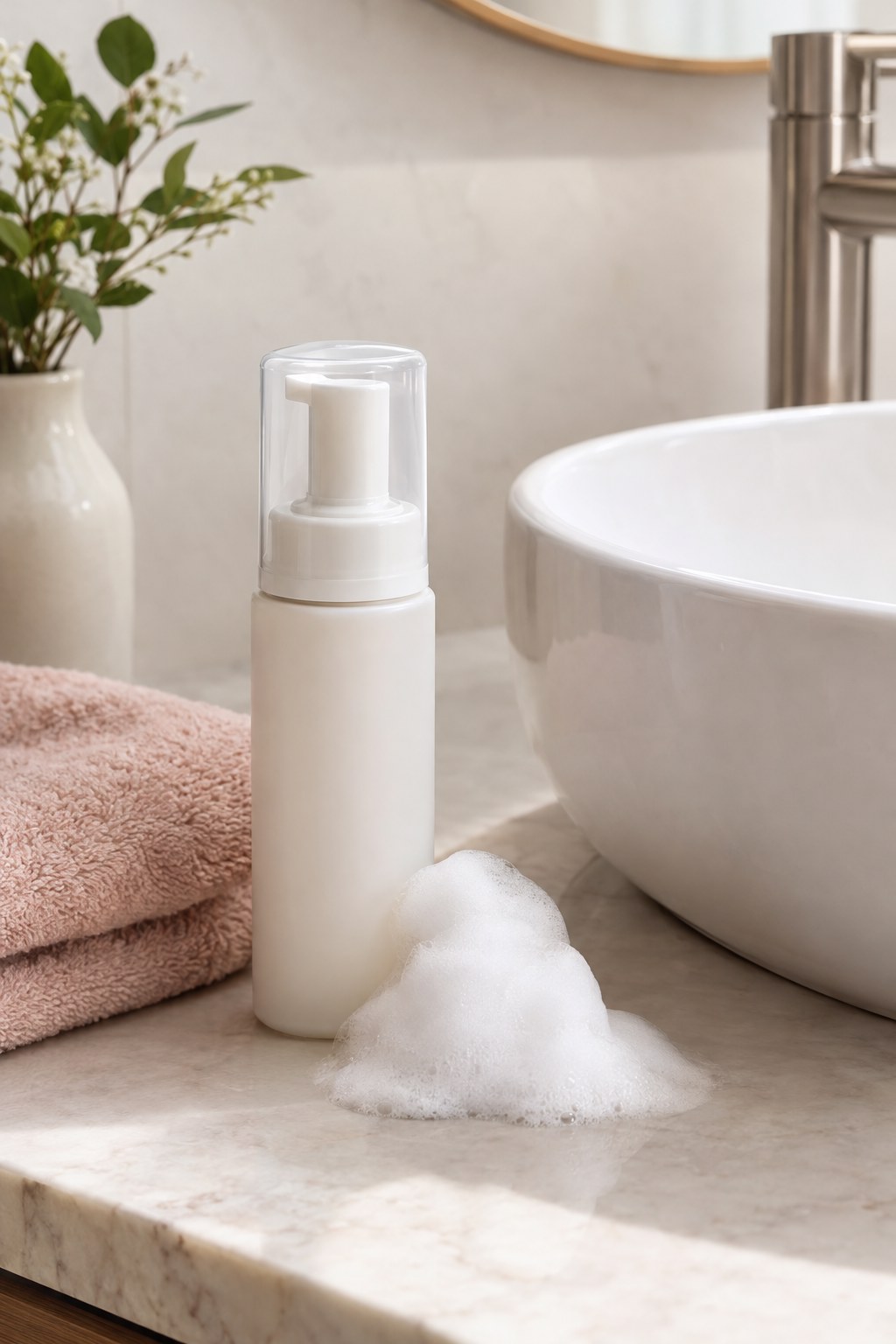
Surfactants help cleansers work. A long or unfamiliar surfactant name is not automatically a warning sign. Pay attention to how your skin feels after rinsing: persistent tightness or stinging may suggest the cleanser is not a good match.
5. Active ingredients: target a specific concern
Niacinamide, salicylic acid, and retinoids appear in products marketed for concerns such as uneven appearance, blemishes, or signs of aging. They have different uses and tolerability profiles. Introduce unfamiliar active products gradually, follow label instructions, and avoid layering several strong treatments at once.
What ingredient order can—and cannot—tell you
An ingredient near the beginning is usually present in a greater amount than one near the end, but this is not a reliable shortcut for judging quality. Some ingredients work at low concentrations, and the overall formula, packaging, stability, and how you use it matter. A short list is not necessarily better than a long list.
Fragrance, essential oils, and sensitive skin
Fragrance can be pleasant, but it may bother some people, especially those with fragrance sensitivities. “Unscented” and “fragrance-free” are not always interchangeable: an unscented product may contain masking fragrance. Essential oils are also not automatically gentler simply because they come from plants. If your skin is easily irritated, a fragrance-free option may be a useful starting point.
How to read a label in three minutes
- Identify the product’s job. Is it a cleanser, moisturizer, sunscreen, or targeted treatment?
- Find the full ingredient list. Do not rely on a few highlighted ingredients on the front.
- Look for familiar functional groups. For a basic moisturizer, for example, humectants, emollients, and occlusives may all play a role.
- Check personal sensitivities. Look for ingredients you already know cause problems for you, including fragrance if relevant.
- Read directions and warnings. Frequency, application method, and precautions are as important as the ingredient list.
Common myths worth leaving behind
“If I cannot pronounce it, it is harmful.” Chemical names are standardized labels, not measures of danger. Even water has the chemical name aqua on many cosmetic labels.
“Natural always means safer.” Natural and synthetic ingredients can both cause irritation or allergies. Suitability depends on the substance, dose, formulation, and person.
“More active ingredients mean faster results.” Combining too many new products may increase irritation and make it harder to identify what works.
Build a simpler shopping routine

Before buying a new product, write down your main goal—such as comfortable cleansing or daily hydration. Compare two or three options on formula type, directions, fragrance preference, and budget. Introduce one unfamiliar product at a time. For a product you are concerned about, consider testing a small area according to the manufacturer’s directions before regular use.
When to seek professional advice
Stop using a product if it causes a significant reaction. Persistent redness, swelling, painful irritation, or recurring rashes deserve advice from a qualified healthcare professional. Ingredient literacy helps you make better shopping decisions, but it does not replace medical evaluation.
Frequently asked questions
Does the first ingredient matter most?
It often indicates the largest component of the formula, but it does not tell you everything about performance.
Are preservatives bad for skin?
Preservatives help prevent microbial contamination in many water-containing cosmetics. An appropriate preservative system is an important part of product safety.
Should I avoid alcohol in every skincare product?
No. “Alcohol” can refer to different ingredients with different functions. Fatty alcohols, for example, are commonly used to improve texture and are not equivalent to ethanol.
Can I identify a product’s strength from the ingredient list?
Not reliably. Unless a percentage is disclosed, the label usually does not provide enough information to calculate the concentration of an active ingredient.
The takeaway
A good ingredient-reading habit is practical rather than perfectionist: know the product’s purpose, recognize a few ingredient families, check your own sensitivities, and judge the whole formula by how comfortably it fits your routine. You do not need the longest ingredient list or the most expensive bottle to make an informed choice.

