
Hydrated-looking skin is not just about using a product labeled “hydrating.” The ingredients inside—and the way they work together—matter. Three names you will see often are glycerin, ceramides, and hyaluronic acid. They each support a comfortable skincare routine, but they do different jobs.
Quick answer: what is the difference?
Glycerin is a humectant that helps draw and hold water. Hyaluronic acid is another humectant that helps skin feel hydrated and plump. Ceramides are lipids naturally found in the skin barrier; skincare formulas containing ceramides aim to support that barrier and reduce the feeling of dryness. They can complement one another rather than compete.
Glycerin: the reliable everyday hydrator
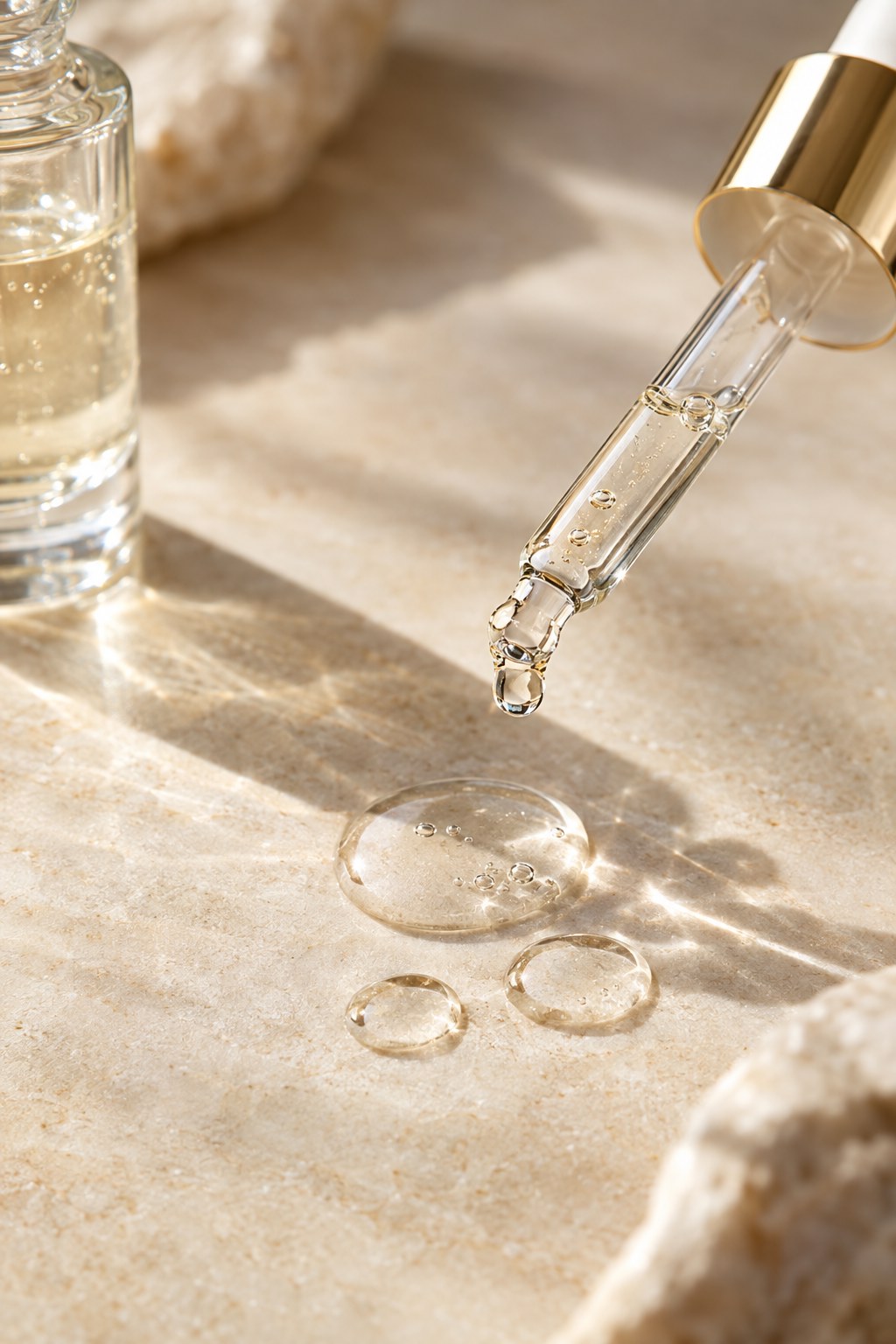
Glycerin is widely used in cleansers, lotions, and serums because it attracts water and helps maintain a moisturized feel. It is often a practical choice for people who want straightforward hydration without adding another elaborate step.
What to look for: a comfortable cleanser or moisturizer with glycerin among its ingredients. The full formulation matters more than how prominently the bottle advertises it.
Hyaluronic acid: lightweight hydration
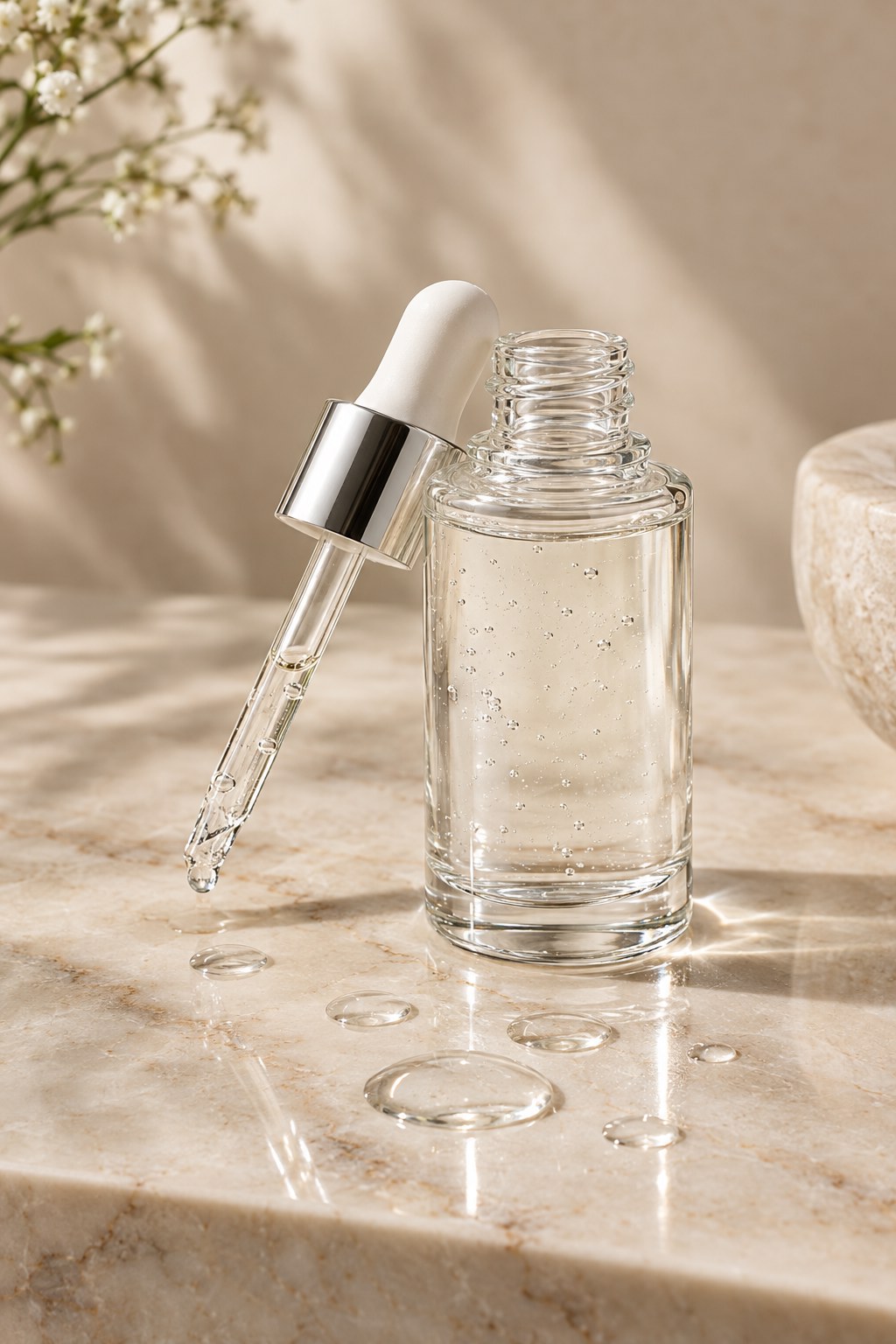
Hyaluronic acid and sodium hyaluronate are commonly found in lightweight serums and moisturizers. They bind water and can temporarily improve the appearance of dryness and fine dehydration lines. Different molecular forms and concentrations may behave differently, so the product texture is a useful shopping consideration.
How to use it: follow the product directions and consider applying a moisturizer afterward if your skin still feels dry. Hyaluronic acid is not a replacement for every other moisturizing ingredient.
Ceramides: support for the skin barrier
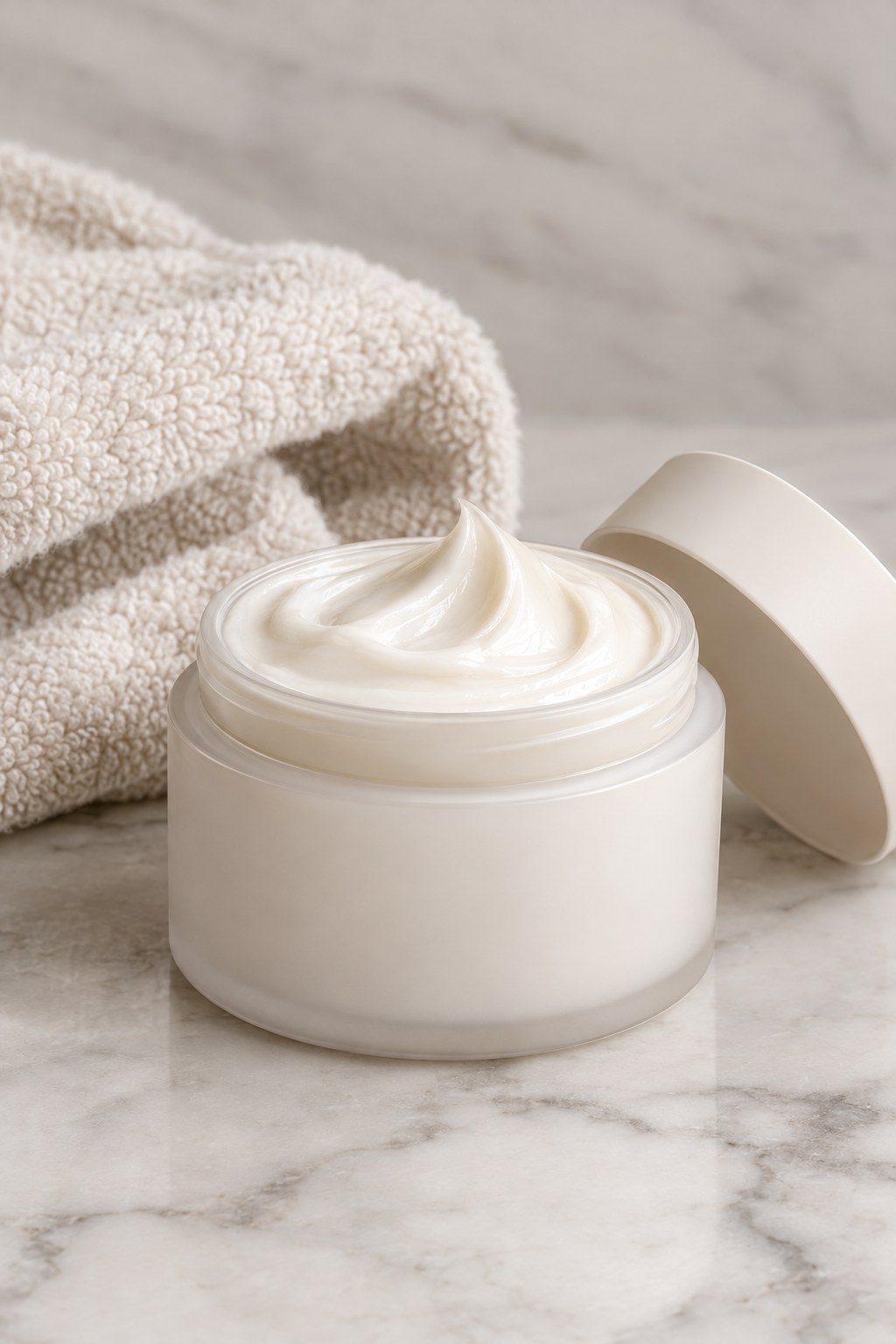
The outer layer of your skin contains a mixture of lipids, including ceramides, cholesterol, and fatty acids. These help limit water loss. Ceramide-containing creams are often marketed for dry or compromised-feeling skin because they aim to replenish the barrier-supporting components of a moisturizer.
What to look for: a moisturizer that feels comfortable on your skin. Ceramides are often listed as Ceramide NP, Ceramide AP, or Ceramide EOP. A product’s performance still depends on the complete formula.
Which ingredient should you choose for your skin?
- Skin that feels tight after cleansing: start with a gentle cleanser and a moisturizer containing humectants such as glycerin.
- Skin that feels dehydrated but dislikes heavy textures: a lightweight hyaluronic acid or glycerin serum beneath moisturizer may suit your preferences.
- Skin that feels dry or rough: a richer moisturizer with ceramides and other emollient or occlusive ingredients may be useful.
- Sensitive-feeling skin: prioritize a simple, fragrance-free formula and introduce one new product at a time.
Skin type labels are only a starting point. The best choice is the formula you can use comfortably and consistently.
Can you use glycerin, ceramides, and hyaluronic acid together?
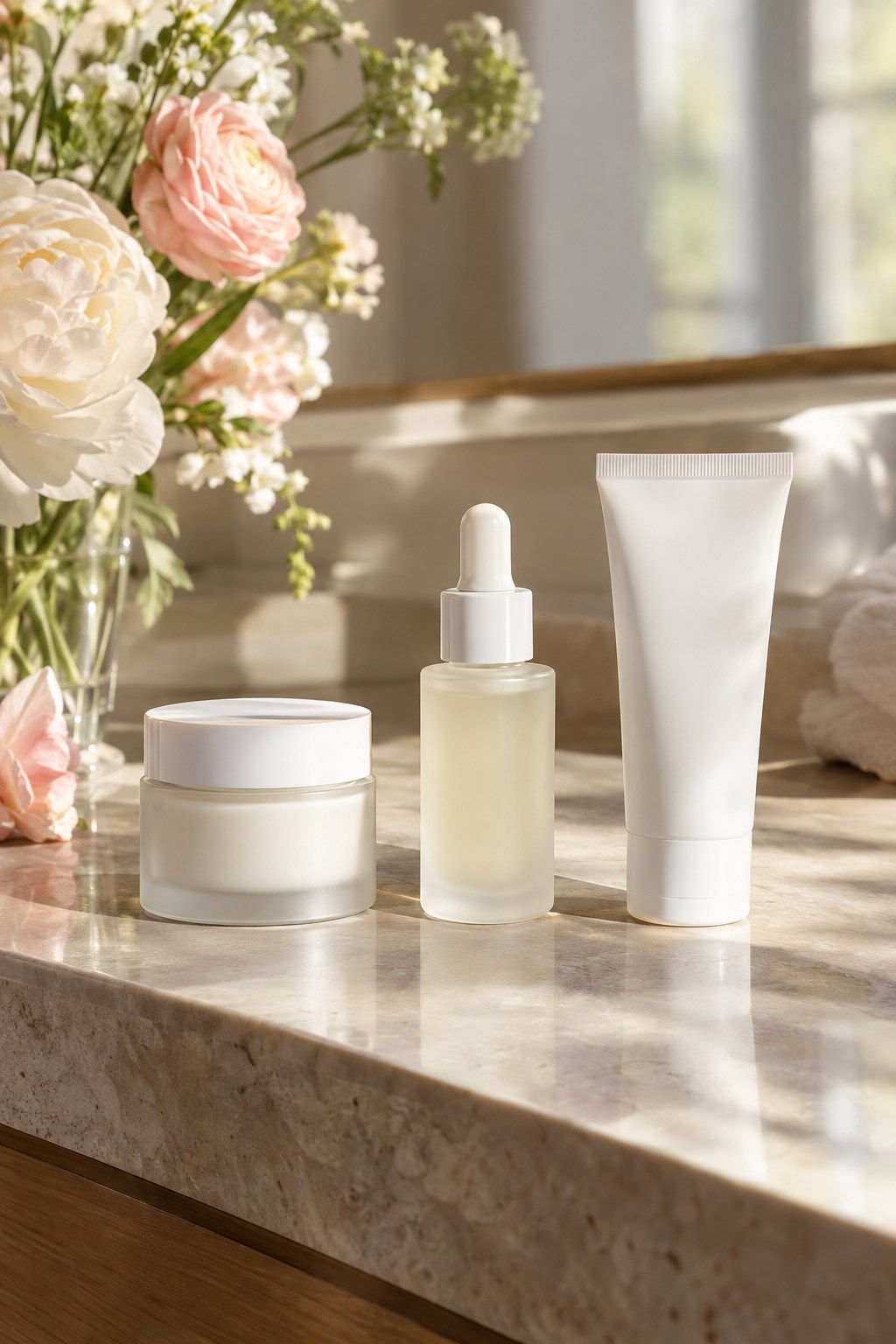
Yes. Many moisturizers already combine humectants with barrier-supporting lipids. You do not necessarily need three separate bottles. For a simple morning routine, cleanse gently if needed, apply a hydrating serum if you enjoy using one, follow with moisturizer, and finish with broad-spectrum SPF 30 or higher sunscreen. At night, a gentle cleanse and moisturizer may be enough.
How to read a hydrating product label
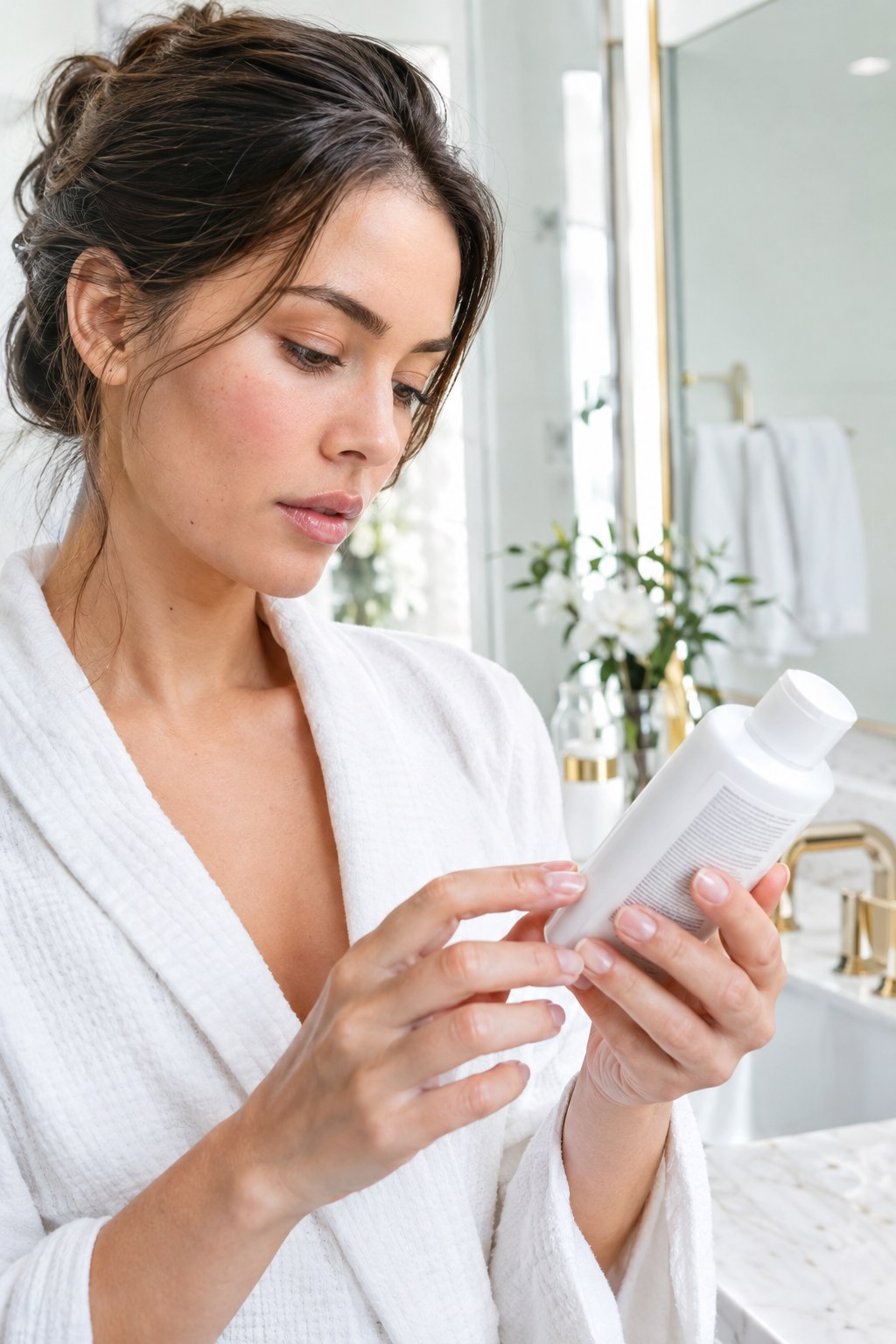
- Identify whether the product is a cleanser, serum, or moisturizer.
- Look for familiar names such as glycerin, sodium hyaluronate, or Ceramide NP.
- Consider supporting ingredients, including squalane, dimethicone, or petrolatum, depending on the texture you prefer.
- Check for fragrance or other ingredients you already know irritate your skin.
- Read the directions, then judge the formula by comfort and consistency—not by a single highlighted ingredient.
Common hydration mistakes
Buying every trendy serum: more layers are not always better. A well-formulated moisturizer may already provide the hydration you need.
Skipping moisturizer after a serum: a lightweight humectant product may not provide the same comfortable finish as a complete moisturizing cream or lotion.
Ignoring irritation: stinging, persistent redness, or a worsening rash is not a sign that a product is “working.” Stop using the offending product and seek professional advice if symptoms persist.
Assuming expensive means effective: useful hydrating ingredients appear in products across a wide range of prices.
A simple shopping checklist
Before purchasing, ask: Does this texture suit my routine? Does it contain a humectant, and if I need a richer product, emollient or occlusive support? Is the fragrance profile suitable for me? Can I afford to repurchase it? A repeatable routine is often more useful than an overflowing shelf.
Frequently asked questions
Is glycerin better than hyaluronic acid?
Neither is universally better. Both are humectants, and the overall formula and your skin’s comfort are more important than choosing a winner.
Do ceramides hydrate skin?
Ceramides primarily support the skin’s lipid barrier, which helps reduce moisture loss. They are commonly combined with water-attracting ingredients in moisturizers.
Can oily skin use ceramides?
Yes. Ceramides are not limited to dry skin, though someone who prefers lightweight products may choose a lotion rather than a rich cream.
Do I need a separate hyaluronic acid serum?
Not necessarily. Many moisturizers already contain humectants. A separate serum is optional.
The takeaway
Think of glycerin and hyaluronic acid as water-attracting helpers, and ceramides as barrier-supporting lipids. They work well together in many formulas. Choose products based on your skin’s comfort, your budget, and a routine you can maintain.
Editorial note: This article provides general skincare education, not individualized medical advice. Consult a qualified clinician for persistent skin symptoms.
Disclosure: As an Amazon Associate I earn from qualifying purchases. This section contains affiliate links, and we may earn a commission at no additional cost to you.
Amazon Product Recommendations

The Ordinary Hyaluronic Acid 2% + B5 serum
Explore this option for the ideas discussed in this article. Check the product details, suitability and availability on Amazon before purchasing.
View on Amazon →

CeraVe Moisturizing Cream
Explore this option for the ideas discussed in this article. Check the product details, suitability and availability on Amazon before purchasing.
View on Amazon →

Neutrogena Hydro Boost Gel Cream
Explore this option for the ideas discussed in this article. Check the product details, suitability and availability on Amazon before purchasing.
View on Amazon →

