
Cold weather can leave hands feeling tight, rough, or uncomfortable. Between chilly outdoor air, indoor heating, frequent handwashing, and cleaning products, the skin on your hands may lose moisture more easily. The good news: a few simple habits can help your hands feel softer and more comfortable throughout winter.
Why hands get dry in cold weather
Winter air often contains less moisture, while heated indoor spaces can further increase the feeling of dryness. Frequent washing and exposure to detergents may strip away some of the oils that help protect the skin barrier. Hands are especially exposed because we wash and use them throughout the day.
1. Choose a gentle hand cleanser

Wash with lukewarm rather than very hot water and use a mild cleanser that leaves your hands feeling comfortable. You do not need to scrub aggressively to clean effectively. Pat your hands dry with a clean towel rather than rubbing hard.
Hand hygiene still matters: follow public-health guidance for washing when needed. The goal is to moisturize afterward, not avoid necessary cleaning.
2. Moisturize immediately after washing
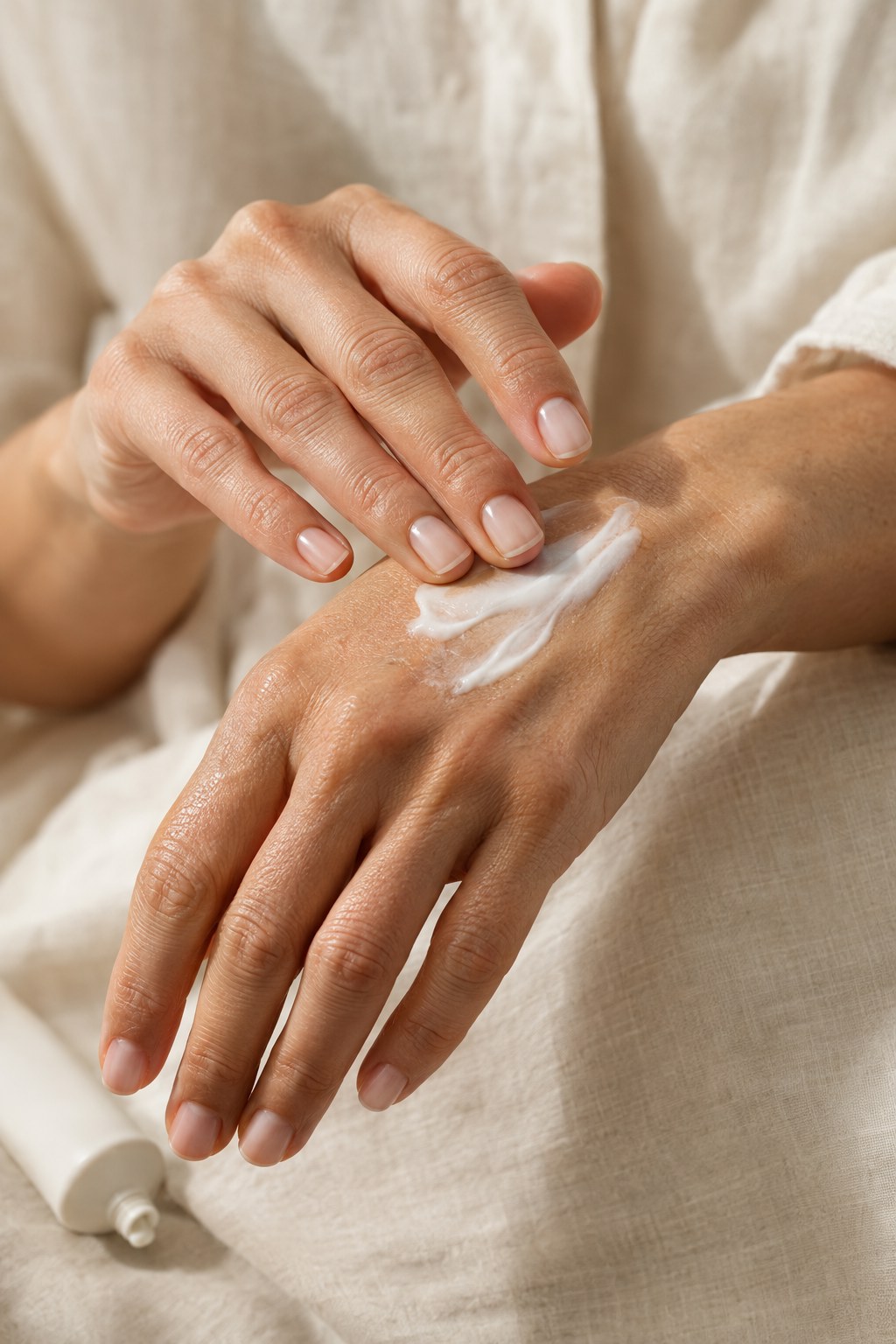
Keep hand cream next to the sink or in your bag so it is easy to apply after drying your hands. A moisturizer works best as a habit you repeat, not just a product you use when your hands already feel rough.
Look for ingredients such as glycerin to attract water, ceramides to support the skin barrier, and petrolatum or dimethicone to help limit moisture loss. The whole formula and how it feels on your skin matter more than a single hero ingredient.
3. Try a richer cream at night

If a lightweight lotion is not enough, consider a thicker fragrance-free hand cream or ointment before bed. Apply it to clean hands, paying attention to knuckles and other dry areas. Some people find soft cotton gloves comfortable over moisturizer overnight, but they are optional.
4. Wear gloves outside and during chores

Warm gloves help shield hands from cold wind. For household cleaning, use suitable protective gloves according to product instructions to limit contact with irritating detergents. If gloves trap sweat or feel irritating, remove them and let your hands dry. Avoid wearing wet gloves for long periods.
5. Protect the skin around nails and cuticles
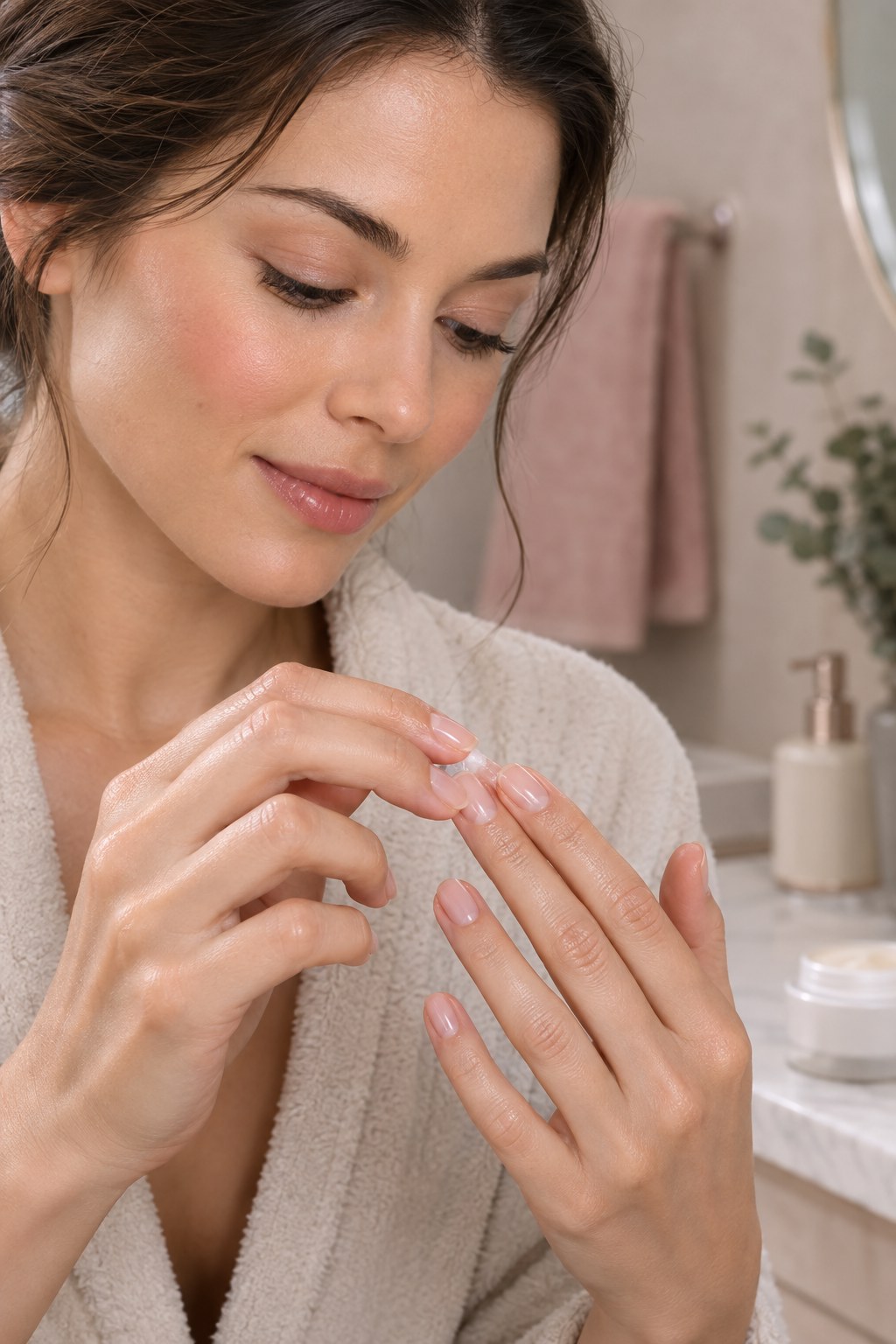
Cuticles and fingertips can feel particularly dry in winter. Apply hand cream gently around the nails and avoid picking at rough skin. Keep nails at a manageable length if they snag on fabrics. You do not need a complicated cuticle routine—consistent moisturizing is a useful starting point.
6. Keep a travel-size cream handy
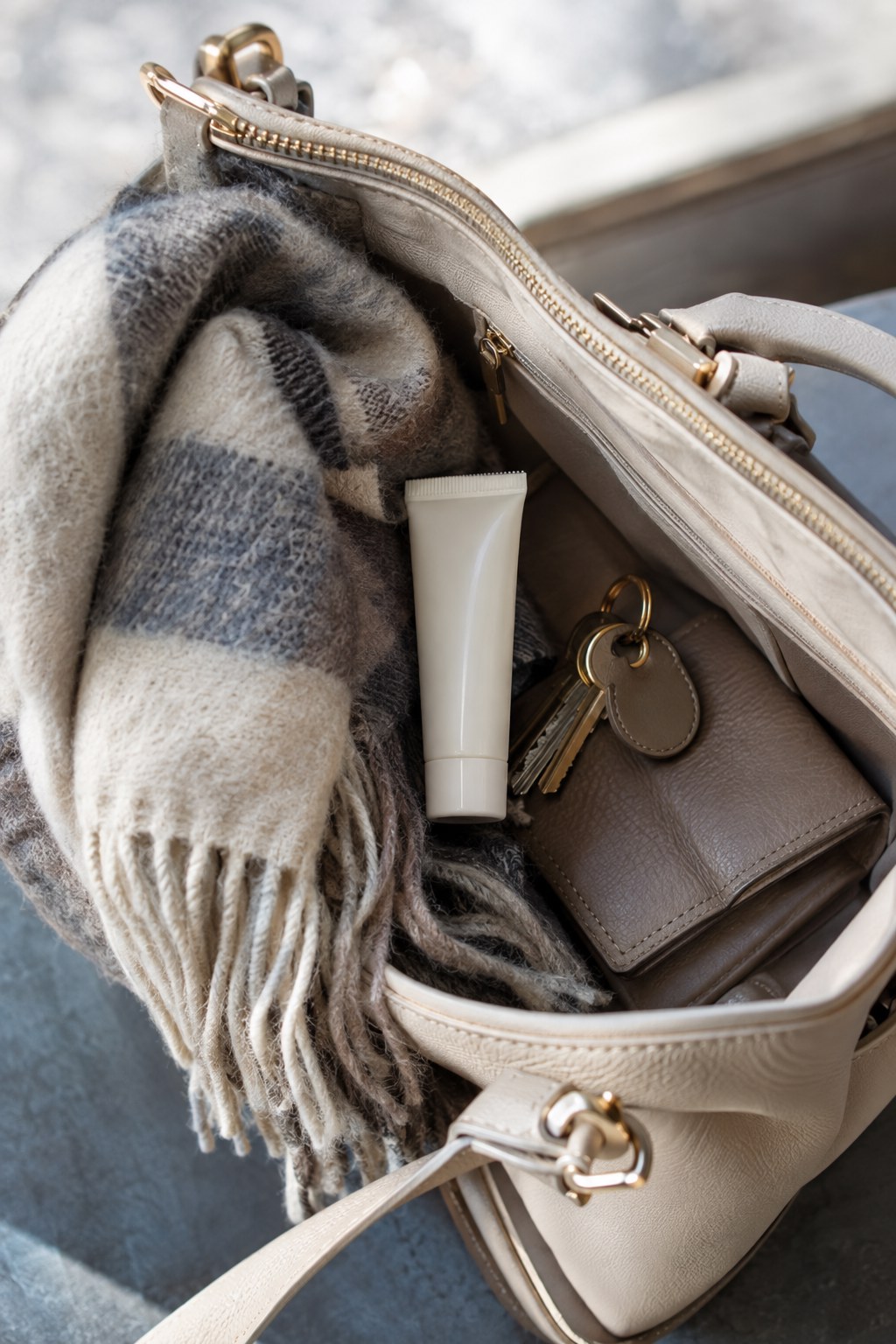
A small tube in your handbag, coat pocket, or desk drawer makes reapplying more realistic. Choose packaging that closes securely and a texture you actually enjoy using. A product that fits your routine is more useful than one that sits untouched on a shelf.
How to choose a winter hand cream
- For mild dryness: try a comfortable lotion with glycerin and other moisturizing ingredients.
- For rough, very dry-feeling hands: consider a richer cream or ointment with emollient and occlusive ingredients.
- For fragrance sensitivity: look for a fragrance-free option and check the full ingredient list.
- For daytime use: choose a texture that absorbs comfortably enough for frequent application.
- For nighttime: a thicker texture may be convenient when you do not need to handle objects immediately.
There is no single perfect product for everyone. Skin preferences and sensitivities vary.
A simple morning-to-night hand-care routine
Morning
Wash gently as needed, dry your hands, and apply a hand moisturizer. Wear gloves when going outside in cold or windy weather.
During the day
Reapply moisturizer after handwashing and whenever your hands feel dry. Use appropriate gloves for cleaning tasks.
Evening
After your final wash, apply a richer hand cream or ointment, especially to knuckles, fingertips, and other rough areas.
Common mistakes to avoid
Using very hot water: it may feel comforting, but it can leave skin feeling drier.
Waiting until hands crack before moisturizing: regular application is easier than trying to catch up after discomfort begins.
Assuming “natural” means non-irritating: plant extracts and essential oils can still bother sensitive skin.
Over-exfoliating: harsh scrubs can worsen discomfort on already dry or irritated hands.
When dry hands need medical attention
Persistent redness, painful cracks, bleeding, oozing, significant itching, or a recurring rash may need evaluation by a healthcare professional. Hand eczema and contact dermatitis can resemble ordinary dryness but may require different care. Seek advice if symptoms do not improve with gentle care or are getting worse.
Frequently asked questions
How often should I apply hand cream in winter?
After washing and whenever your hands feel dry is a practical starting point. Adjust based on comfort and product directions.
Is lotion or hand cream better?
Lotions are often lighter; creams and ointments may feel more protective. Choose based on dryness, texture preference, and how often you can reapply.
Can I use my face moisturizer on my hands?
Usually, yes, if the formula suits your skin. However, a richer hand cream may be more convenient for frequent washing and exposure.
Do cotton gloves overnight help?
Some people enjoy wearing clean, soft cotton gloves after moisturizing, but they are not necessary for everyone. Stop if they cause irritation or discomfort.
The takeaway
Winter hand care does not have to be expensive or complicated. Cleanse gently, moisturize after washing, protect hands from cold and detergents, and keep a richer cream available for nighttime. Small, consistent habits often make the biggest difference in comfort.
This article is for general skincare education and does not replace personalized medical advice.
Disclosure: As an Amazon Associate I earn from qualifying purchases. This section contains affiliate links, and we may earn a commission at no additional cost to you.
Amazon Product Recommendations

O’Keeffe’s Working Hands hand cream
Explore this option for the ideas discussed in this article. Check the product details, suitability and availability on Amazon before purchasing.
View on Amazon →

Aquaphor Healing Ointment
Explore this option for the ideas discussed in this article. Check the product details, suitability and availability on Amazon before purchasing.
View on Amazon →

Eucerin Advanced Repair Hand Creme
Explore this option for the ideas discussed in this article. Check the product details, suitability and availability on Amazon before purchasing.
View on Amazon →

