
Learn how to evaluate jewelry materials, settings, wearability and long-term style before making a purchase. The best choices balance appearance, practical use, care and a realistic budget. The ideas below are intended for US readers and can be adapted to personal taste and local conditions.
1. Start With Your Personal Style
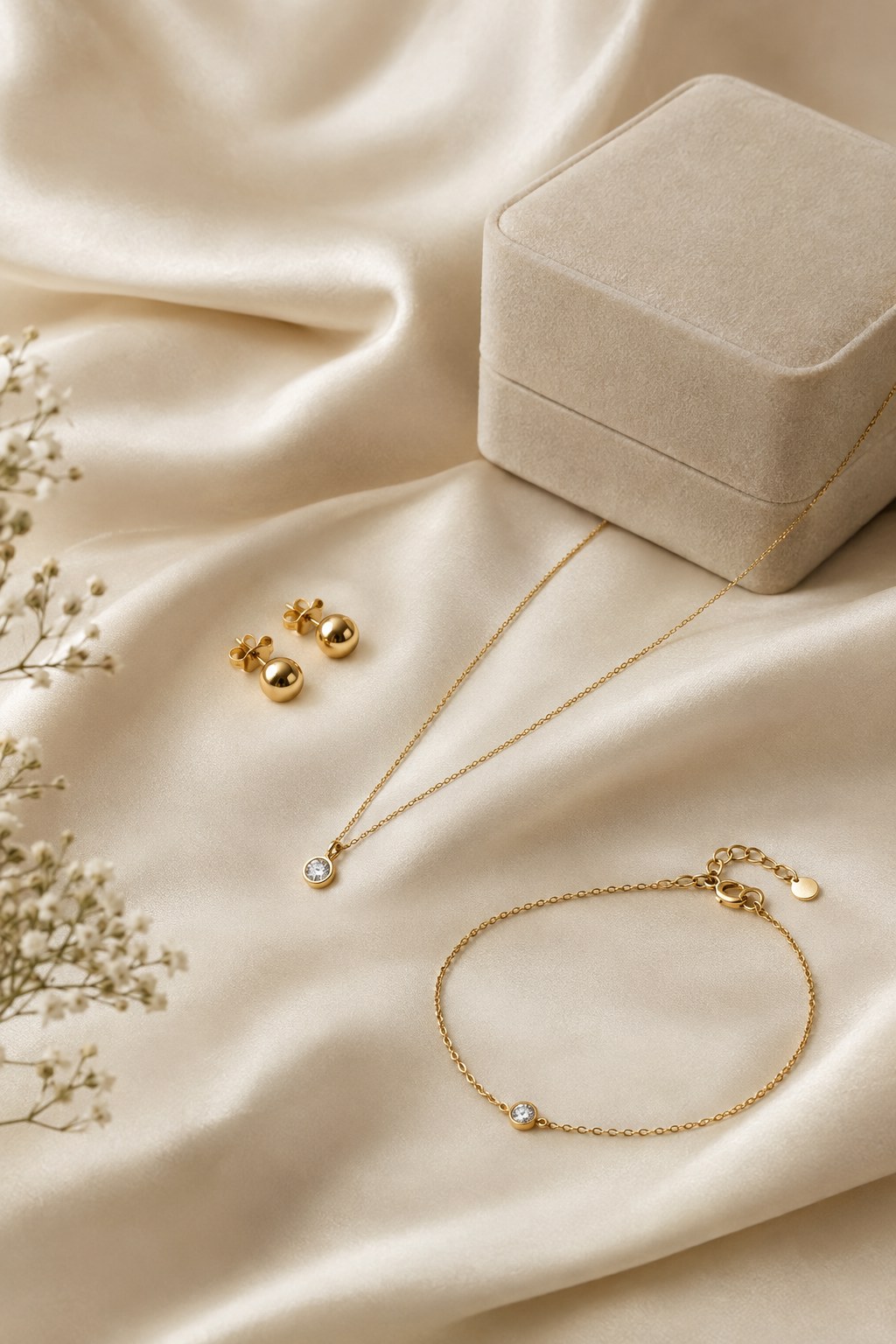
Notice whether you consistently wear studs, hoops, pendants or bracelets. A timeless purchase should suit your actual wardrobe rather than a passing trend.
2. Understand Common Precious Metals
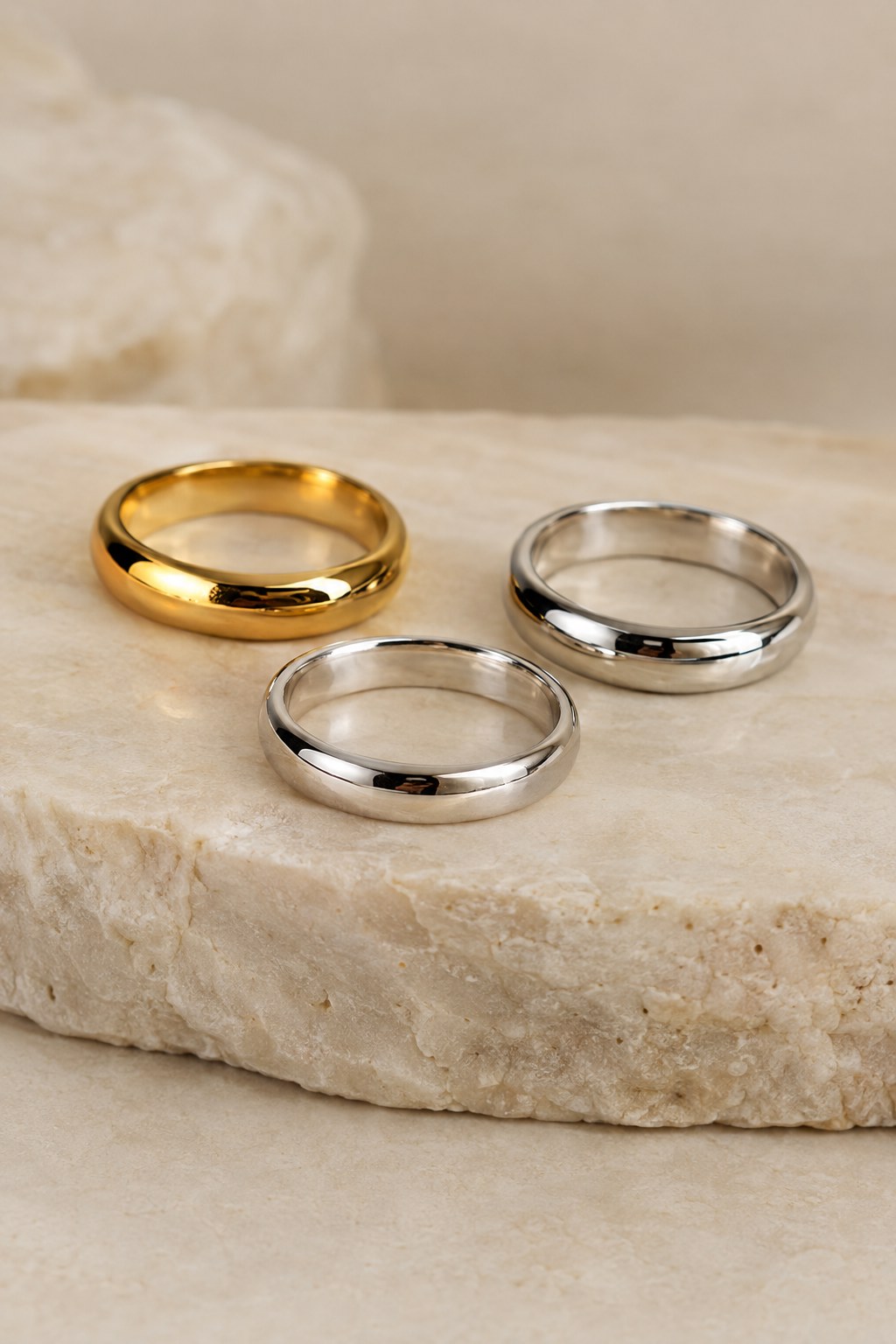
Gold is available in different karats and colors, while platinum and sterling silver have different properties and care needs. Ask for clear metal markings and seller documentation.
3. Choose Gemstones With Daily Wear in Mind
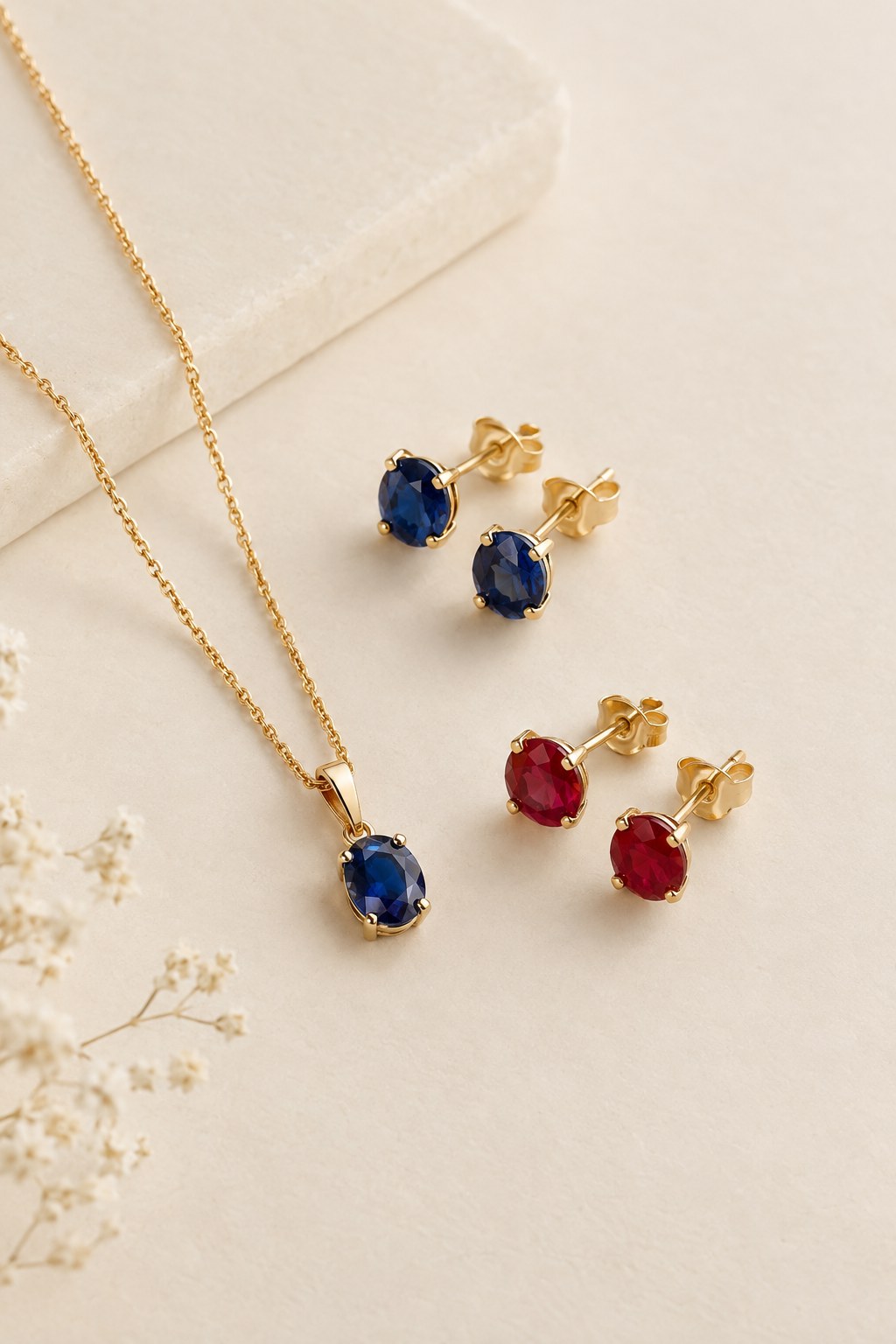
Durability varies among gemstones. Consider how often and where you will wear the piece, and ask a qualified jeweler about care requirements.
4. Learn the Basics of Diamond Evaluation
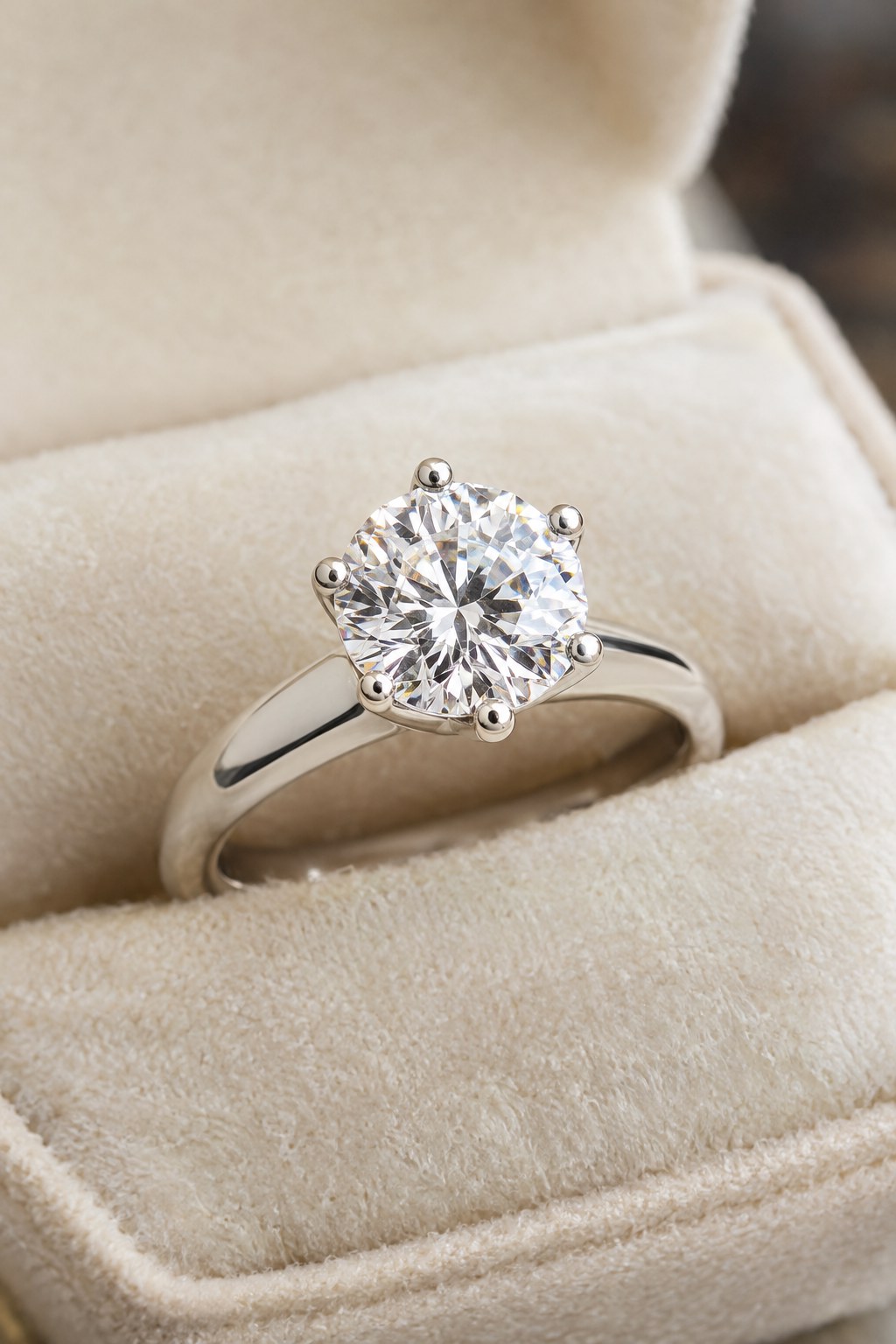
Cut, color, clarity and carat weight are commonly used to describe diamonds. Compare documented characteristics rather than assuming a larger stone is always better.
5. Examine Settings and Craftsmanship
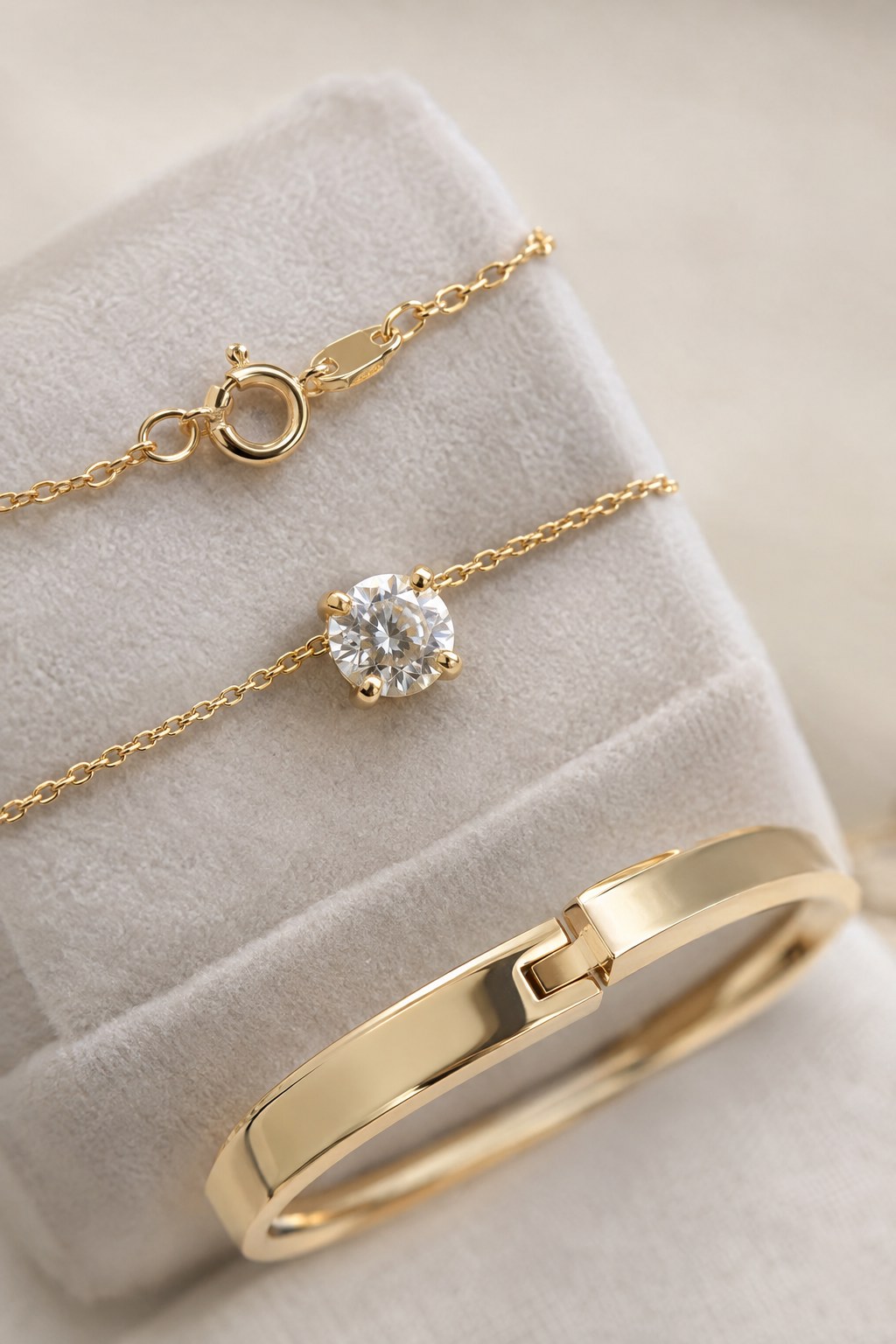
Inspect prongs, clasps, hinges and smoothness. Secure settings matter as much as visual appeal, especially for frequently worn pieces.
6. Consider Proportions and Comfort
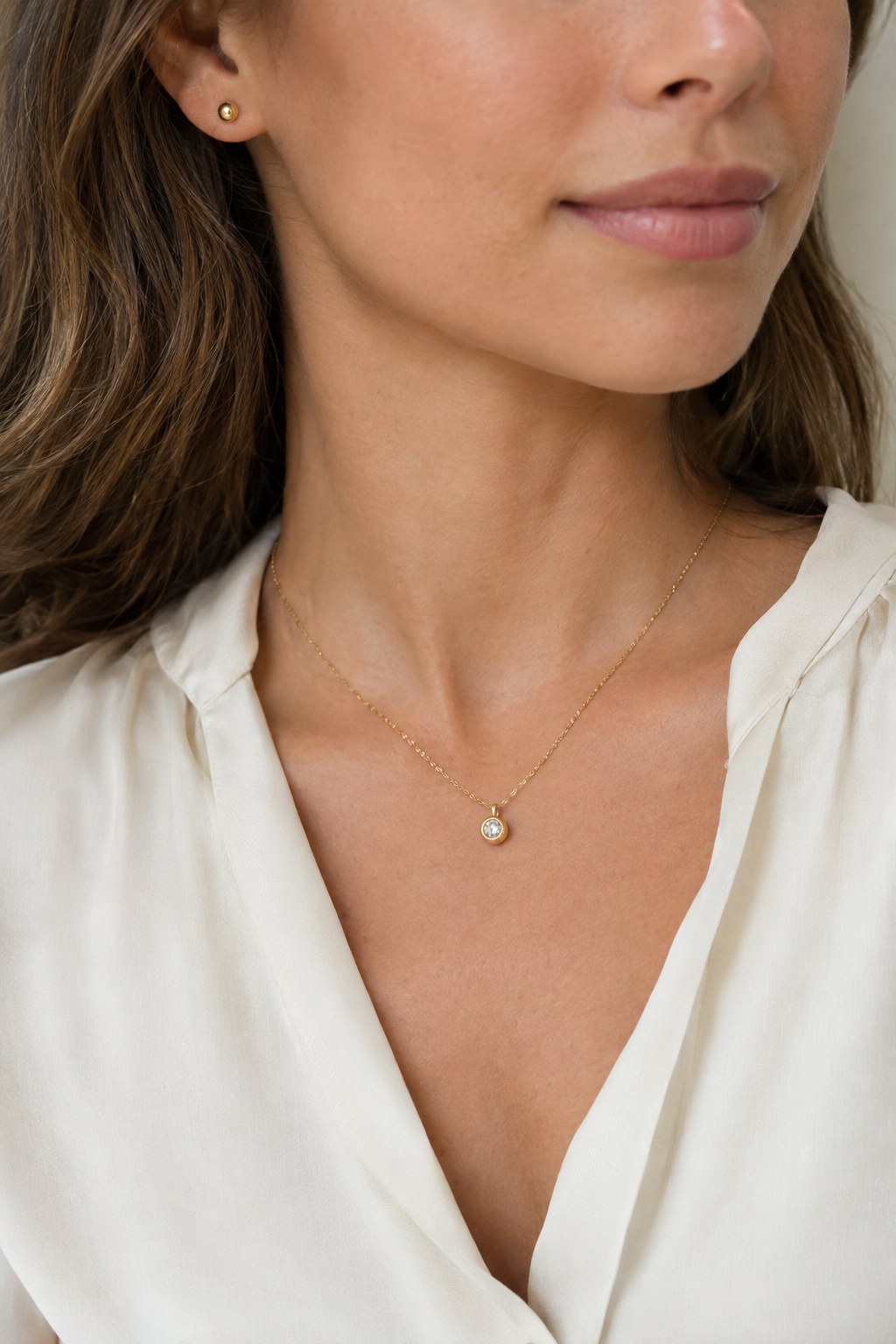
Try jewelry at the scale you intend to wear. Necklace length, ring profile and earring weight can determine whether a piece becomes an everyday favorite.
7. Compare Natural and Lab-Grown Options Carefully
Ask sellers to disclose origin and any treatments clearly. Pricing, resale expectations and preferences vary; do not assume investment returns.
8. Request Documentation and Policies
For higher-value purchases, review item descriptions, grading reports when relevant, warranties, resizing options and return terms.
9. Plan for Maintenance
Different metals and gemstones need different cleaning methods. Store pieces separately and have valuable settings checked when appropriate.
10. Build a Small, Versatile Collection
Begin with one or two pieces that work across occasions, such as simple studs or a modest pendant. Buy for enjoyment and use, not promised appreciation.
How to Make the Best Choice
Start with what you already own and identify the one change that would make the greatest practical difference. Check dimensions, materials, care requirements and return policies before spending. A coordinated, useful choice is usually more rewarding than buying several items simply because they are trending.
Fine Jewelry Buying Checklist
- Decide which styles and metals you will genuinely wear.
- Check metal purity markings and obtain written descriptions.
- Ask about gemstone identity, treatments and origin disclosures.
- Inspect clasps, prongs, setting security and comfort.
- Review return, resizing, warranty and maintenance policies before purchase.
- Keep receipts and independent grading documentation where relevant.
Frequently Asked Questions
What fine jewelry should a beginner buy first?
A simple pendant, classic stud earrings or an understated ring can be a versatile first piece. Choose based on daily habits, metal preferences and budget rather than trends.
Is higher gold karat always better for everyday jewelry?
Not necessarily. Higher karat gold has a higher gold content, but alloy composition, construction and intended use influence durability. Ask a qualified jeweler about your specific piece.
How do I compare diamond options?
Review cut, color, clarity and carat weight alongside the seller’s grading documentation, setting quality and return policy. A qualified independent professional can help with significant purchases.
More HBF Jewelry and Accessories Guides
Explore 12 timeless accessories that elevate simple outfits and how to choose an elegant women’s watch.
Final Thoughts
Thoughtful selection and everyday usefulness matter more than a high price tag. Use these ideas as a flexible starting point, and adapt them to your personal style, comfort and budget.